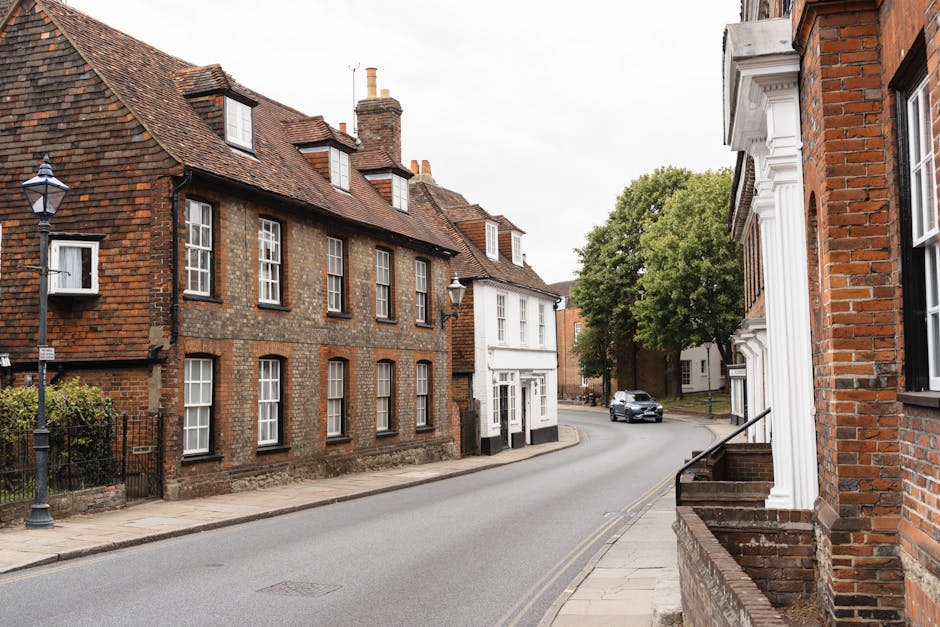
New Barnet house removals narrow street access tips

If you are moving in New Barnet, you can run into a very specific kind of headache: a narrow street, parked cars on both sides, a tight turning point, and nowhere obvious for a van to stop. That is exactly why New Barnet house removals narrow street access tips matter. A move can be perfectly organised on paper and still go sideways at the kerb if access is awkward.
Truth be told, most moving problems in tighter London streets are not dramatic. They are small things that pile up: a van arriving too large for the road, a neighbour's car blocking the only good loading spot, boxes carrying a bit further than planned, or a delay because nobody checked whether the entrance needed special loading arrangements. This guide breaks all of that down into practical steps, so you can plan properly, reduce stress, and make the day feel much more manageable.
We will look at why narrow access changes everything, how removals teams work around it, what to do before moving day, and the common mistakes people make in streets just like the ones around New Barnet. You will also find a checklist, a comparison table, and a realistic example to help you picture how it all comes together.
Why New Barnet house removals narrow street access tips Matters
Narrow street access changes the whole shape of a house move. In a wide suburban road, a removals van can often pull in, load quickly, and get moving. In a tighter New Barnet street, that same van may need a more careful approach, especially where parking is restricted, corners are tight, or neighbouring vehicles limit manoeuvring room.
And once access becomes awkward, time disappears fast. A few extra minutes spent shuttling items from the front door to the van may not sound like much, but by the end of the day it can affect fatigue, timings, and even the mood of everyone involved. Nobody enjoys that slow creeping feeling of being behind before the kettle has even been plugged in.
There is also the property protection angle. A narrow path, a low wall, a hedge that brushes past the side of a vehicle, or a stairwell with a tight bend all increase the chance of knocks and scuffs. Good access planning is not just about convenience. It helps protect your belongings, your home, your neighbours' cars, and your back, if we are being honest.
For local moves, the street itself becomes part of the moving job. That means access needs to be treated as seriously as packing or transport. If you plan the approach properly, the whole move feels calmer and more predictable.
How New Barnet house removals narrow street access tips Works
In practical terms, moving in a narrow street is a matter of reducing friction before moving day. The removals team needs enough information to choose the right vehicle, plan parking, decide whether a shuttle transfer is needed, and understand where the awkward points are.
Usually, the process starts with a quick assessment. That can be done from your description, photos, street view, or a pre-move visit if needed. A good team will want to know:
- how wide the street is and whether two-way passing is possible
- where the van can realistically stop
- if there are height restrictions, low branches, or narrow corners
- whether the property has steps, a tight hallway, or a long carry distance
- if parking suspensions, permits, or neighbour coordination are needed
From there, the move is often adjusted rather than forced. Sometimes a smaller vehicle makes sense. Sometimes the team uses a larger vehicle parked slightly away from the door and transfers items by hand or with smaller equipment. Sometimes the best answer is simply choosing the loading point very carefully and keeping the route clear. Not fancy. Just effective.
One thing people often miss is the difference between road access and property access. A van may be able to get close to the house, but the front path may still be too narrow for bulky furniture. Or the street may be fine, but the stairwell inside the property makes the job slower. Good planning looks at the full chain from kerb to room.
Key Benefits and Practical Advantages
Handling narrow access well is not just about avoiding trouble. It brings some clear benefits that are easy to feel on the day.
- Less delay: When parking and carry routes are sorted, the team can work steadily instead of improvising.
- Lower damage risk: Fewer awkward manoeuvres means fewer chances of bumping walls, railings, furniture, or vehicles.
- Better budget control: Extra time on site can increase costs, so good access planning often saves money indirectly.
- Less neighbour friction: A clean loading plan reduces the chances of blocking drives or creating avoidable tension on the street.
- Safer lifting: Shorter, clearer carry routes help reduce strain and awkward handling.
There is also a mental benefit that is easy to underestimate. When the access plan is clear, the day feels under control. You do not spend the morning worrying whether the van will fit or whether someone will complain about a blocked road. You just get on with it. That matters more than people think.
For many households, the right access plan also means better use of the moving crew's time. Instead of standing around trying to squeeze furniture through a tight gap, they can work in a rhythm. And once a move gets into a rhythm, everything tends to go more smoothly. Funny how that works.
Who This Is For and When It Makes Sense
This kind of planning is useful for a lot more people than you might expect. It is not only for people on tiny terraces or one-way side streets. It matters anywhere the van cannot simply pull up, load, and leave without thought.
You will especially benefit from narrow access planning if you are:
- moving from a terraced house on a tight residential road
- moving from or to a maisonette with awkward stairs or shared access
- living on a road with heavy on-street parking
- moving during school run hours or other busy local traffic windows
- dealing with a long walk from the closest stopping point to the front door
- moving large furniture, white goods, or fragile items that need careful handling
It also makes sense if you are comparing home moves with a more flexible option such as a smaller vehicle service. In some streets, a slightly different approach is not a compromise at all. It is just the smarter move.
To be fair, people often discover they need this guidance only after they have already booked. That is still fixable. The earlier you flag access issues, the more options you usually have.
Step-by-Step Guidance
Here is a practical way to handle narrow street access without making the day harder than it needs to be.
1. Check the street from both ends, if possible
Walk the route the van would take. Look for bends, parked cars, school traffic, bin collections, low trees, and any pinch points. A street that looks fine in a daytime photo can feel very different at 8am with cars lined up bumper to bumper.
2. Measure the tricky bits
Measure the width of the front path, hallway, and any gate opening. If a sofa, wardrobe, or mattress is involved, compare its dimensions to the narrowest point. You do not need an engineer's notebook. A tape measure and a couple of sensible notes are enough.
3. Send photos to the removals team
Photos of the road, parking area, front door, and any access obstacles are incredibly useful. A picture of the turning space or the front steps can save a lot of back-and-forth later. It is one of those small things that makes a big difference.
4. Decide whether a larger or smaller vehicle makes sense
Sometimes one larger van is more efficient. In other cases, a smaller vehicle or a split load is safer and easier. If the road is tight, vehicle choice can matter more than people expect. The wrong size van can create the kind of annoyance everybody feels in their shoulders.
5. Plan the loading point
Choose where the van should stop, how far the carry distance will be, and whether there is a sensible place to stage boxes. If the loading point is vague, the whole day tends to wobble.
6. Clear the route inside and outside
Move bins, bikes, plant pots, loose mats, and anything else that might snag feet or furniture. If you live in a shared property, let neighbours know about the timing so the access route stays as open as possible.
7. Build a small time cushion
In narrow streets, the first half-hour often takes longer than expected. Parking, reversing, and carrying items safely can slow things down. A little breathing room on timing is worth it.
8. Keep essential items separate
Put documents, keys, chargers, medication, and a kettle box somewhere easy to reach. You do not want to dig through a stack of packed boxes while standing in the doorway with a van waiting outside. That is the sort of chaos nobody enjoys.
Expert Tips for Better Results
These are the sorts of details that often make the difference between a manageable move and a slightly chaotic one.
- Book access planning early: If you know the street is tight, mention it when requesting a quote. Don't leave it to the day itself.
- Use colour-coded labels: In a narrow access move, fewer trips matter. Clear labels help the unloading order stay efficient.
- Pack by carry priority: Put the most awkward or fragile items where they can come out first or last, depending on access.
- Protect the route: A few blankets, corner guards, or temporary floor coverings can help if furniture must pass close to walls or door frames.
- Think about street timings: Early morning can be quieter. So can certain midweek windows. A little local timing knowledge goes a long way.
One practical insight that people overlook: the more often an item has to be turned, lifted, or re-gripped, the more likely it is to slow the whole process. That is why it is worth identifying the "awkward" pieces in advance. The big sofa. The tall mirror. The fridge freezer that always feels bigger on moving day, somehow.
If you are moving from a flat or a maisonette, it can also help to look at flat removals options, because tight access and stairs often go hand in hand. Different property types need slightly different planning, and that is completely normal.
Common Mistakes to Avoid
The biggest mistakes are often the simplest ones. Here are the ones worth avoiding.
- Assuming the van will just fit: Streets can feel wider when they are empty. Real life is less forgiving.
- Forgetting about parked cars: Even if your own road is narrow, nearby parking habits can make it harder still.
- Not warning neighbours: A quick heads-up can stop avoidable disputes and may even help keep the loading space clear.
- Underestimating carry distance: A "short walk" with a wardrobe in the rain is not the same as a short walk with empty hands.
- Packing access items last: Keys, permits, and parking paperwork should be easy to find, not buried under bedding.
- Ignoring stairs and internal turns: Road access is only half the story.
One more, because it comes up all the time: people often forget to mention basement steps, side entrances, or alley access until the team arrives. Small detail, big effect. If you have any doubt, mention it. Seriously.
Tools, Resources and Recommendations
You do not need a mountain of specialist equipment to handle a move in a narrow street, but a few practical tools help a lot.
| Tool or resource | Why it helps | Best used for |
|---|---|---|
| Measuring tape | Checks doorways, hallways, gates, and furniture dimensions | Planning what can actually fit |
| Phone photos | Gives the removals team a clear view of road layout and obstacles | Remote access assessment |
| Labels and marker pens | Speeds up unloading when carry routes are longer | Room-by-room organisation |
| Protective covers | Helps prevent scuffs on furniture and property edges | Tight internal corners and narrow hallways |
| Parking notes or permits | Reduces confusion about where the van can legally stop | Street loading and unloading |
If you are comparing service types, it may also help to look at man and van, removal van, and moving truck options. The best choice depends on the volume of items, the parking situation, and how awkward the road really is. Not just what sounds cheapest on paper.
For bigger loads, some households also choose to pair removals with packing and unpacking services or use packing and boxes support so the move is easier to carry and quicker to load. That can be especially helpful when every extra minute on the kerbside matters.
Law, Compliance, Standards, or Best Practice
There are a few practical compliance points worth keeping in mind, even if you are not dealing with anything especially formal. In narrow streets, the main issues usually relate to parking, access, safety, and property care.
If a vehicle is stopping on a public road, it needs to be parked legally and responsibly. If a permit, parking bay suspension, or time restriction applies, it should be respected. Local rules can vary, and it is sensible to check the arrangements that apply to your street rather than guessing. That is the safer path, always.
From a removals perspective, sensible best practice usually includes:
- clear communication about access limitations
- safe manual handling and sensible lifting technique
- proper vehicle choice for the street conditions
- protecting property surfaces where items may brush past
- keeping routes as clear as possible for both movers and residents
If you are comparing companies, it is also wise to look at broader trust signals such as an insurance and safety page, a clear health and safety policy, and transparent pricing information. A serious removals business should be comfortable explaining how it handles risk in cramped environments.
For some readers, a quick review of terms and conditions and pricing and quotes also helps set expectations before moving day. It is not glamorous reading, no, but it can prevent misunderstandings later.
Options, Methods, or Comparison Table
There is no single right way to handle a narrow street move. The best choice depends on access, volume, and how much lifting the property layout demands.
| Method | Best for | Pros | Trade-offs |
|---|---|---|---|
| Large removals van | Plenty of items, workable access | Efficient loading, fewer trips | Harder to park or manoeuvre in tight streets |
| Smaller van or man and van | Restricted roads, lighter loads | More flexible in narrow access | May need more trips for larger homes |
| Shuttle transfer | Street too narrow for the main vehicle near the door | Safer, more adaptable, often practical in awkward roads | Takes more coordination and labour |
| Full packing support | Busy households, fragile items, tight timing | Speeds up loading and reduces handling issues | Extra cost, but sometimes worth every penny |
For local planning, the question is not "What is the biggest vehicle available?" It is "What is the safest, most efficient way to move everything through this specific street and property?" That small shift in thinking helps a lot.
Case Study or Real-World Example
Here is a realistic example, based on the sort of scenario people run into all the time in and around New Barnet.
A family was moving from a mid-terrace home on a narrow residential road with cars parked on both sides. The front path was fine for boxes, but the hallway had one awkward turn and the road could not comfortably take a large vehicle directly outside the door. On the first look, it seemed like a squeeze.
Instead of forcing a one-size-fits-all plan, the move was broken into parts. A smaller vehicle was used for the close loading section, the team confirmed the carry route in advance, and the heaviest furniture was scheduled while the road was quieter. Boxes were labelled by room, and fragile items were packed so they could come off the van first. Nothing dramatic. Just sensible planning.
The result was a calmer day. Fewer delays, less shouting across the pavement, and no last-minute panic about where the van should stop. The family still felt tired at the end, of course. Moving is moving. But the whole thing felt controlled rather than chaotic, which is the real win.
That is the point of narrow access planning: not perfection, just fewer surprises.
Practical Checklist
Use this as a simple last-check before moving day. It is not fancy, but it works.
- Confirm the street width and any tight turns
- Check parking restrictions and loading options
- Measure doorways, hallways, gates, and awkward furniture
- Take photos of the road, front door, and access path
- Tell the removals team about steps, slopes, or side entrances
- Warn neighbours if their cars or access may be affected
- Prepare labels for rooms and fragile items
- Keep keys, documents, and essentials in one easy-to-reach bag
- Clear bins, bikes, and clutter from the loading route
- Build in extra time for parking and first-load delays
- Confirm the vehicle size and access plan the day before
Expert summary: if your New Barnet move involves a narrow road, treat access planning as part of the move itself, not a side issue. The smoother the kerbside setup, the smoother everything else tends to be.
Conclusion
Narrow street access does not have to turn a house move into a nightmare. With the right preparation, clear communication, and a realistic view of the road outside your home, you can keep the move safe, orderly, and much less stressful. The key is to think ahead about parking, carry distance, vehicle size, and the small obstacles that can slow a move down.
If you are moving in or around New Barnet, the best approach is usually simple: assess the access honestly, share the details early, and choose a method that suits the street rather than fighting against it. That saves time, helps protect your belongings, and makes the whole day feel more human and less frantic. Which is a very nice thing to say about moving day, let's face it.
Get a free quote today and see how much you can save.
And if the street looks tricky now, do not worry too much. With a clear plan, even a tight New Barnet road can be handled well, one careful step at a time.
Frequently Asked Questions
How do I know if my New Barnet street is too narrow for a removals van?
If two vehicles struggle to pass, parking is already tight, or the turning space near your home is limited, the road may need special planning. A removals team can usually judge this from photos, measurements, or a quick site look.
Should I choose a smaller van for a narrow street move?
Sometimes, yes. A smaller van can be easier to park and manoeuvre, especially on busy residential roads. But the right choice depends on the volume of items and whether more trips would outweigh the access benefit.
What should I photograph before moving day?
Take clear photos of the road, parking spaces, front steps, gate, hallway, and any awkward corners. Those images help the removals team prepare properly and reduce guesswork.
Do I need to tell my neighbours about the move?
It is a good idea, especially if the van may briefly affect access or parking. A simple heads-up can prevent complaints and sometimes even help keep the loading area clear.
What if the van cannot park right outside my house?
That is common in narrow streets. The team may park a little further away and carry items over a short distance, or use a smaller vehicle and a shuttle-style approach.
How can I stop furniture getting damaged on a tight route?
Measure the route, protect walls and corners where needed, and make sure large furniture is moved with enough space to turn safely. Good packing and clear communication help too.
Are there special rules for loading on narrow roads?
There can be parking restrictions, local loading limits, or permit requirements depending on the street. It is best to check the arrangements that apply to your road and confirm them in advance.
Is a man and van service better for narrow access?
Often it can be, especially for lighter loads or very tight streets, because the vehicle is usually more flexible. But for a larger household move, a fuller removals setup may still be more efficient.
How far in advance should I plan access for a move?
As early as possible, ideally as soon as you know your move date. Access details affect vehicle choice, timing, and sometimes pricing, so leaving it until the last minute is risky.
What if my hallway is narrower than the street?
That happens more than you might think. In that case, the internal route becomes the main challenge, and the team may need extra care, extra packing protection, or a different lifting plan.
Can narrow access affect the quote?
Yes, it can. Longer carry distances, difficult parking, or extra handling time may affect the overall job cost. Clear information up front usually leads to a more accurate quote.
What is the best thing to do on the morning of the move?
Keep the access route clear, have keys and documents ready, and stay available for quick decisions. A calm start makes a surprising difference, even if the street is a bit of a squeeze.
Where can I learn more about moving options and service types?
You can compare services such as house removals, removal services, and removals to see which approach fits your property, your load, and the street outside.